The Listening Grove · The Burgess Bird Book for Children
Chapter 4: Chippy, Sweetvoice, and Dotty
A Charlotte Mason nature-study lesson. Press play, with the lesson.
What is The Burgess Bird Book for Children Chapter 4, Chippy, Sweetvoice, and Dotty, about?Parent review
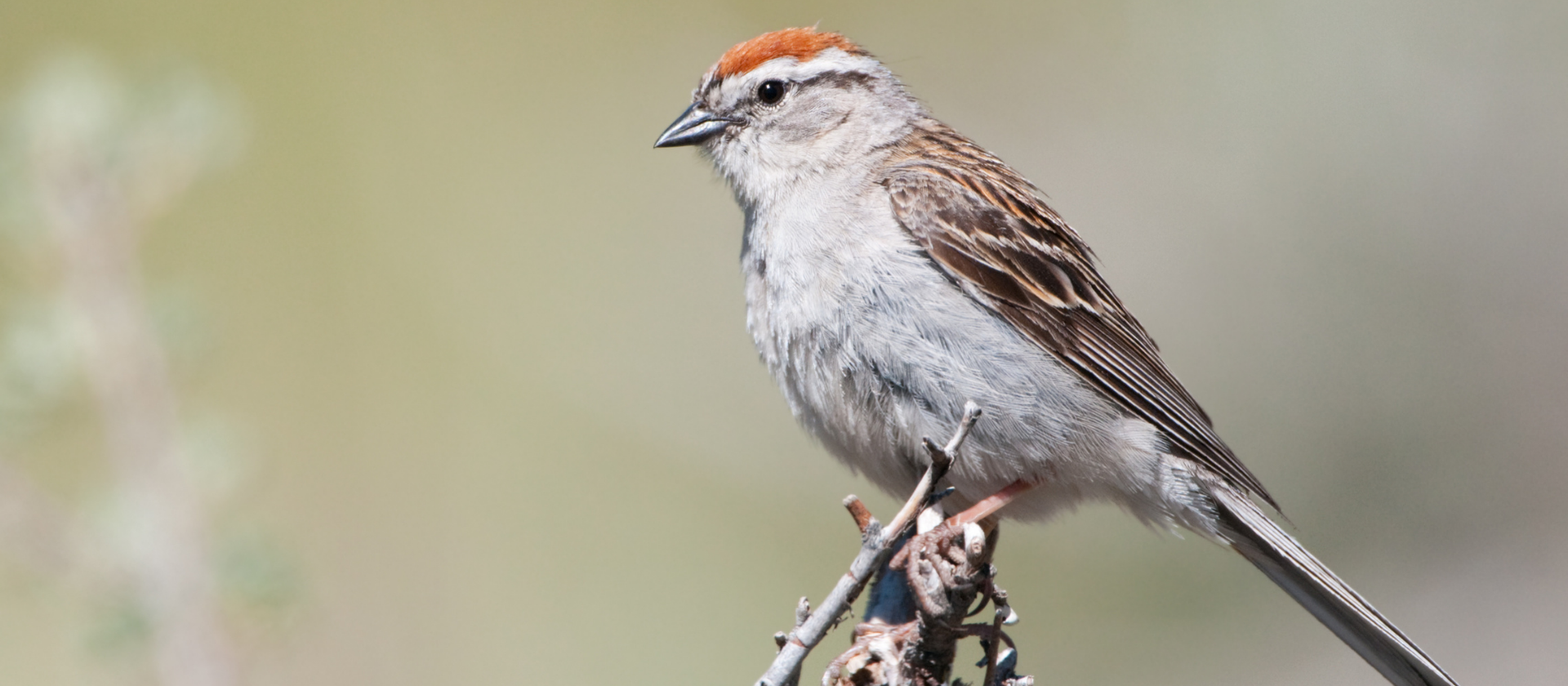
Chapter 4, Chippy, Sweetvoice, and Dotty, continues the sparrow family with three more small members. Chippy the Chipping Sparrow is the little brown bird with a reddish cap who builds a dainty nest lined with horsehair. Sweetvoice the Vesper Sparrow sings his tender song in the evening from the open fields, and shows white outer tail feathers as he flies. Dotty the Tree Sparrow, with a single dark spot on his breast, is a winter visitor from the far north. Peter learns to tell the three apart by size, marking, song, and the season when each is here.
Say what you remember!
Tell what you remember from the last chapter.
What happened in the previous chapter of The Burgess Bird Book for Children, Jenny Has a Good Word for Some Sparrows?Have a look
In Chapter 3, Jenny Has a Good Word for Some Sparrows, Jenny surprised Peter by praising the native sparrows: Little Friend the Song Sparrow, Whitethroat the White-throated Sparrow, and Scratcher the Fox Sparrow. Peter learned that the sparrow family is large, and that most of its members are modest, sweet-voiced birds, quite unlike the quarrelsome House Sparrow.
Back to the previous lesson: Jenny Has a Good Word for Some Sparrows →Show what you know!
Use your printable Lesson Guide. Fill in the vocabulary you know, then click to check your work and learn some new words today.
What are the difficult or advanced vocabulary words in The Burgess Bird Book for Children Chapter 4, Chippy, Sweetvoice, and Dotty?dainty, gravely, confessed, mane, bramble, vesper, waistcoat, trim, perched, innocentlyHave a look
- dainty: Delicately small and neat; finely made, without wasted space, clumsy edges, or extra bulk.
- gravely: In a serious, solemn way that makes clear the matter is no laughing matter.
- confessed: Admitted something you were reluctant to say, often because it shows a gap in your knowledge.
- mane: The long, thick hair that grows along the top of a horse's neck.
- bramble: A thorny, low-growing, tangled shrub that produces wild berries such as blackberries.
- vesper: Relating to the evening; a vesper song is one sung at dusk or after sunset.
- waistcoat: In describing a bird, the feathers covering the front of the chest and belly, like a vest.
- trim: Neat, tidy, and well put-together; nothing out of place and nothing unnecessary.
- perched: Balanced and resting on a narrow or raised spot, the way a bird sits on a branch.
- innocently: Without any awareness of something obvious to others; in an unknowing way.
The Books come Alive!
Read or listen to Chapter 4 of The Burgess Bird Book for Children, the Kindred Thicket Revised Edition.
Read by Kindred Thicket, from the Kindred Thicket Revised Edition. The plain accuracy notes that explain each correction come with the Complete Companion Guide.
Memory becomes Action!
Use the Response Resource* to remember and spell tricky names. Choose one way to narrate.
*Materials in the Lesson Guide.
What is the list of names, people, characters, birds, and places that are important in Chapter 4 of The Burgess Bird Book for Children?Chippy, Sweetvoice, Dotty, Jenny WrenHave a look
- Chippy: The Chipping Sparrow (Spizella passerina), a small, trim sparrow with a bright reddish-brown cap and a dry, trilled song, who lines his neat nest with hair.
- Sweetvoice: The Vesper Sparrow (Pooecetes gramineus), a field sparrow that sings a sweet song at evening and shows white outer tail feathers in flight.
- Dotty: The American Tree Sparrow (Spizelloides arborea), a winter visitor from the north with a rusty cap and a single dark spot in the center of his breast.
- Jenny Wren: The House Wren, still busy about the Old Orchard.
Chapter 4 Q & A
A few questions families ask about this chapter and its birds.
How do you know a Chipping Sparrow?
By his small size, trim shape, bright chestnut cap, and a long, dry, mechanical trill all on one note. He is one of the tamest garden sparrows and often nests close to houses, lining the nest with fine grass and hair.
Why is the Vesper Sparrow called Sweetvoice?
Because he is known for singing his sweetest at evening, the "vesper" hour. In flight he flashes white outer tail feathers, one of the surest ways to tell this plain field sparrow from its cousins.
When would you see a Tree Sparrow?
In winter. The American Tree Sparrow breeds in the far north and comes south only in the cold months, so Dotty is a winter visitor. Look for his rusty cap and the single dark "stickpin" spot in the middle of his breast.
Do these sparrows really nest with horsehair?
The Chipping Sparrow was once so well known for lining its nest with hair that it earned the old name "hairbird." With fewer horses about today, it uses other fine fibers, but Burgess's detail was true to his time.