The Listening Grove · The Burgess Bird Book for Children
Chapter 6: An Old Friend In a New Home
A Charlotte Mason nature-study lesson. Press play, with the lesson.
What is The Burgess Bird Book for Children Chapter 6, An Old Friend In a New Home, about?Parent review
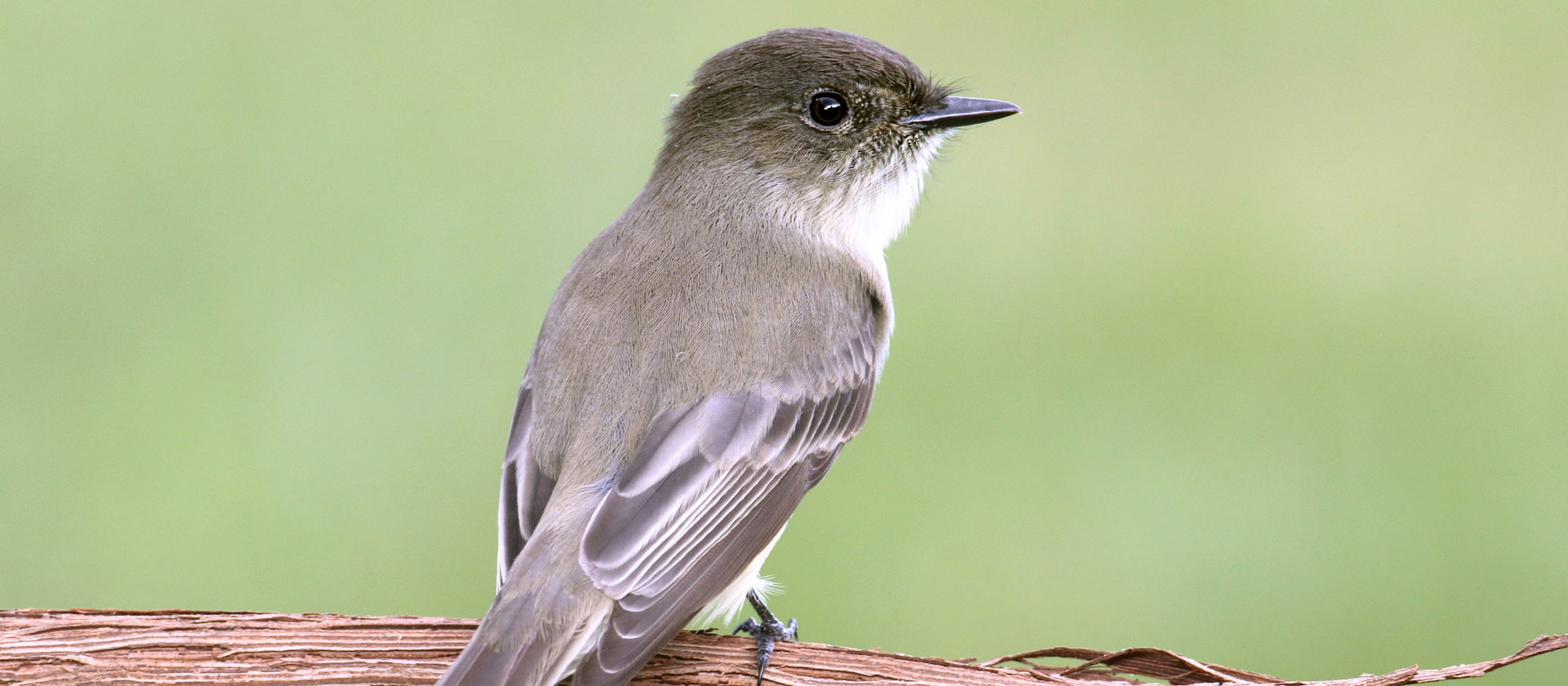
Chapter 6, An Old Friend in a New Home, introduces the flycatchers. Dear Me the Phoebe, an old friend, has built her mossy nest under a bridge or on a beam instead of on the rocky ledge her family once used, and Peter finds her wagging her tail and calling her own name, phoebe, phoebe. Chebec the Least Flycatcher, the smallest of the family, snaps up insects from the air with a sharp chebec. Peter learns how a flycatcher sits still and watches, then darts out to catch a passing insect and returns to the very same perch.
Say what you remember!
Tell what you remember from the last chapter.
What happened in the previous chapter of The Burgess Bird Book for Children, Peter Learns Something He Hadn't Guessed?Have a look
In Chapter 5, Peter Learns Something He Hadn't Guessed, Peter was astonished to learn that Winsome Bluebird, Welcome Robin, and Melody the Wood Thrush are all cousins in the thrush family. The speckled breast of the young robin gives the secret away, and Melody proved the sweetest singer of the three.
Back to the previous lesson: Peter Learns Something He Hadn't Guessed →Show what you know!
Use your printable Lesson Guide. Fill in the vocabulary you know, then click to check your work and learn some new words today.
What are the difficult or advanced vocabulary words in The Burgess Bird Book for Children Chapter 6, An Old Friend In a New Home?plaintive, soberly, alighted, mullein, pesky, clutches, scornfully, particular, crest, tropicsHave a look
- plaintive: Sounding sad and gently sorrowful; the kind of voice that makes you feel a little sorry.
- soberly: In a plain, quiet, unshowy way; without bright colors or anything that draws attention.
- alighted: Landed and settled on a surface, coming down lightly and coming to rest.
- mullein: A tall wildflower with thick, woolly leaves whose dried stalks stand long after winter.
- pesky: Persistently annoying and troublesome; a bother that keeps coming back.
- clutches: The tight grip or control of someone dangerous; to be in their power or reach.
- scornfully: With contempt and disdain, as if a thing is too foolish to deserve a serious reply.
- particular: Very careful and exact about details; unwilling to accept less than your own standard.
- crest: A tuft of raised feathers on a bird's head that can be lifted or flattened, like a crown.
- tropics: The warm regions of Earth near the equator, where temperatures stay high all year.
The Books come Alive!
Read or listen to Chapter 6 of The Burgess Bird Book for Children, the Kindred Thicket Revised Edition.
Read by Kindred Thicket, from the Kindred Thicket Revised Edition. The plain accuracy notes that explain each correction come with the Complete Companion Guide.
Memory becomes Action!
Use the Response Resource* to remember and spell tricky names. Choose one way to narrate.
*Materials in the Lesson Guide.
What is the list of names, people, characters, birds, and places that are important in Chapter 6 of The Burgess Bird Book for Children?Dear Me, Chebec, Welcome Robin, Winsome Bluebird, BullyHave a look
- Dear Me: The Eastern Phoebe (Sayornis phoebe), a plain gray-brown flycatcher who wags her tail, calls her own name, and builds a mossy nest on ledges, bridges, and beams.
- Chebec: The Least Flycatcher (Empidonax minimus), the smallest of the family, who snaps up insects and says his name, chebec, over and over.
- Welcome Robin: The American Robin, still about the orchard.
- Winsome Bluebird: The Eastern Bluebird, whom Peter now knows as a thrush.
- Bully: The House Sparrow, never far from trouble.
Chapter 6 Q & A
A few questions families ask about this chapter and its birds.
What kind of bird is a Phoebe?
The Phoebe is a flycatcher, a plain gray-brown bird that perches upright, wags its tail, and darts out to catch insects on the wing. It is one of the first birds to return in spring, and it says its own name.
How do flycatchers catch their food?
They "hawk" for insects: a flycatcher sits still on an open perch, watches, then darts out to snatch a passing insect from the air, often with an audible snap of the bill, and returns to the same perch to watch again.
Why is the Least Flycatcher called Chebec?
Because of its sharp, repeated call that sounds like "che-bec, che-bec." It is the smallest of the eastern flycatchers and hard to tell from its cousins except by that voice, which is exactly why Burgess names it for its call.
Where do Phoebes build their nests?
Phoebes originally nested on rocky ledges and cliffs, but they readily use bridges, barns, porches, and beams around buildings, which is the "new home" of the chapter's title. They line the mossy nest cup with soft grass and hair.