The Listening Grove · The Burgess Bird Book for Children
Chapter 7: The Watchman of the Old Orchard
A Charlotte Mason nature-study lesson. Press play, with the lesson.
What is The Burgess Bird Book for Children Chapter 7, The Watchman of the Old Orchard, about?Parent review
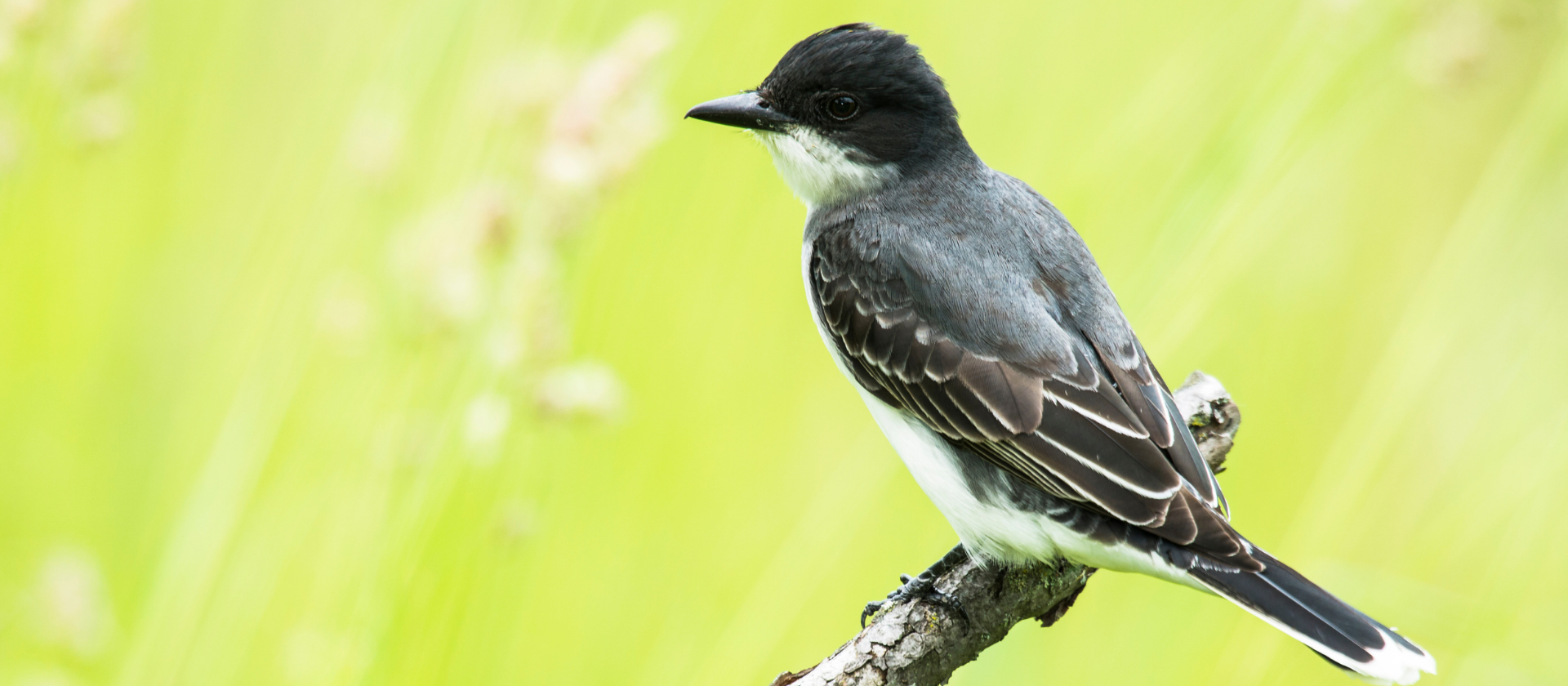
Chapter 7, The Watchman of the Old Orchard, meets the boldest of the flycatchers: Scrapper the Kingbird. Barely bigger than a robin, Scrapper fearlessly drives crows and even hawks out of the sky to guard his nest, which makes him a kind of watchman for the whole orchard. Peter also meets Cresty the Great Crested Flycatcher, who nests in a hollow and lines it with a cast-off snakeskin. Redtail the Hawk and Blacky the Crow keep a respectful distance from the fearless little Kingbird.
Say what you remember!
Tell what you remember from the last chapter.
What happened in the previous chapter of The Burgess Bird Book for Children, An Old Friend in a New Home?Have a look
In Chapter 6, An Old Friend in a New Home, Peter met the flycatchers: Dear Me the Phoebe, who wags her tail, calls her own name, and now nests under bridges and beams, and tiny Chebec the Least Flycatcher. He learned how a flycatcher watches from a perch, darts out to snap an insect from the air, and returns to the same spot.
Back to the previous lesson: An Old Friend in a New Home →Show what you know!
Use your printable Lesson Guide. Fill in the vocabulary you know, then click to check your work and learn some new words today.
What are the difficult or advanced vocabulary words in The Burgess Bird Book for Children Chapter 7, The Watchman of the Old Orchard?fearlessness, abruptly, detain, distinguished, stammered, drones, flattered, provoked, hereabouts, cast-offHave a look
- fearlessness: The quality of feeling no fear; the willingness to face danger without backing down.
- abruptly: Suddenly and without warning; stopping or changing in a sharp, unexpected way.
- detain: To hold someone back or cause a delay when they are trying to get somewhere.
- distinguished: Having an appearance or manner that inspires respect; looking important and impressive.
- stammered: Spoke in broken, repeated bursts because of nervousness, shock, or surprise.
- drones: In a bee colony, the male bees who do no work; their only purpose is to mate with the queen.
- flattered: Pleased and honored because someone has shown they think highly of you.
- provoked: Stirred up to feel annoyed or angry; made to react with irritation.
- hereabouts: Somewhere in this general area; in or around this particular place.
- cast-off: Shed, discarded, and left behind; let go because it is no longer needed.
The Books come Alive!
Read or listen to Chapter 7 of The Burgess Bird Book for Children, the Kindred Thicket Revised Edition.
Read by Kindred Thicket, from the Kindred Thicket Revised Edition. The plain accuracy notes that explain each correction come with the Complete Companion Guide.
Memory becomes Action!
Use the Response Resource* to remember and spell tricky names. Choose one way to narrate.
*Materials in the Lesson Guide.
What is the list of names, people, characters, birds, and places that are important in Chapter 7 of The Burgess Bird Book for Children?Scrapper, Cresty, Redtail, Blacky, Jenny WrenHave a look
- Scrapper: The Eastern Kingbird (Tyrannus tyrannus), a black-and-white flycatcher who fearlessly attacks crows and hawks near his nest, the "watchman" of the orchard.
- Cresty: The Great Crested Flycatcher (Myiarchus crinitus), a large flycatcher who nests in a tree hollow and famously tucks a cast-off snakeskin into it.
- Redtail: The Red-tailed Hawk (Buteo jamaicensis), a large soaring hawk that keeps clear of the bold Kingbird.
- Blacky: The American Crow (Corvus brachyrhynchos), driven off whenever he comes too near a nest.
- Jenny Wren: The House Wren, watching the orchard's dramas.
Chapter 7 Q & A
A few questions families ask about this chapter and its birds.
Why is the Kingbird called the watchman of the orchard?
Because he fiercely guards his nesting area, flying up to chase away crows, hawks, and other large birds that pass over, no matter how much bigger they are. In driving off these intruders he protects other small birds nearby too.
Is the Kingbird really that brave?
Yes. Eastern Kingbirds are famous for attacking birds many times their size, even landing on a hawk's back in flight to drive it off. Burgess's picture of the fearless little watchman is well earned.
What is unusual about the Great Crested Flycatcher's nest?
It nests in tree cavities and very often works a shed snakeskin, or nowadays a strip of crinkly plastic, into the nest lining. Burgess's snakeskin detail is one of the best-known facts about this bird.
How big is a Kingbird?
About the size of a robin or a little smaller, dark gray-black above and white below, with a white band across the tip of the tail. Despite the modest size, its boldness in defense of the nest is remarkable.