The Listening Grove · Just So Stories
Chapter 1: How the Whale Got His Throat
A Charlotte Mason read-aloud lesson. Press play, with the lesson.
What is Just So Stories Chapter 1, How the Whale Got His Throat, about?Parent review
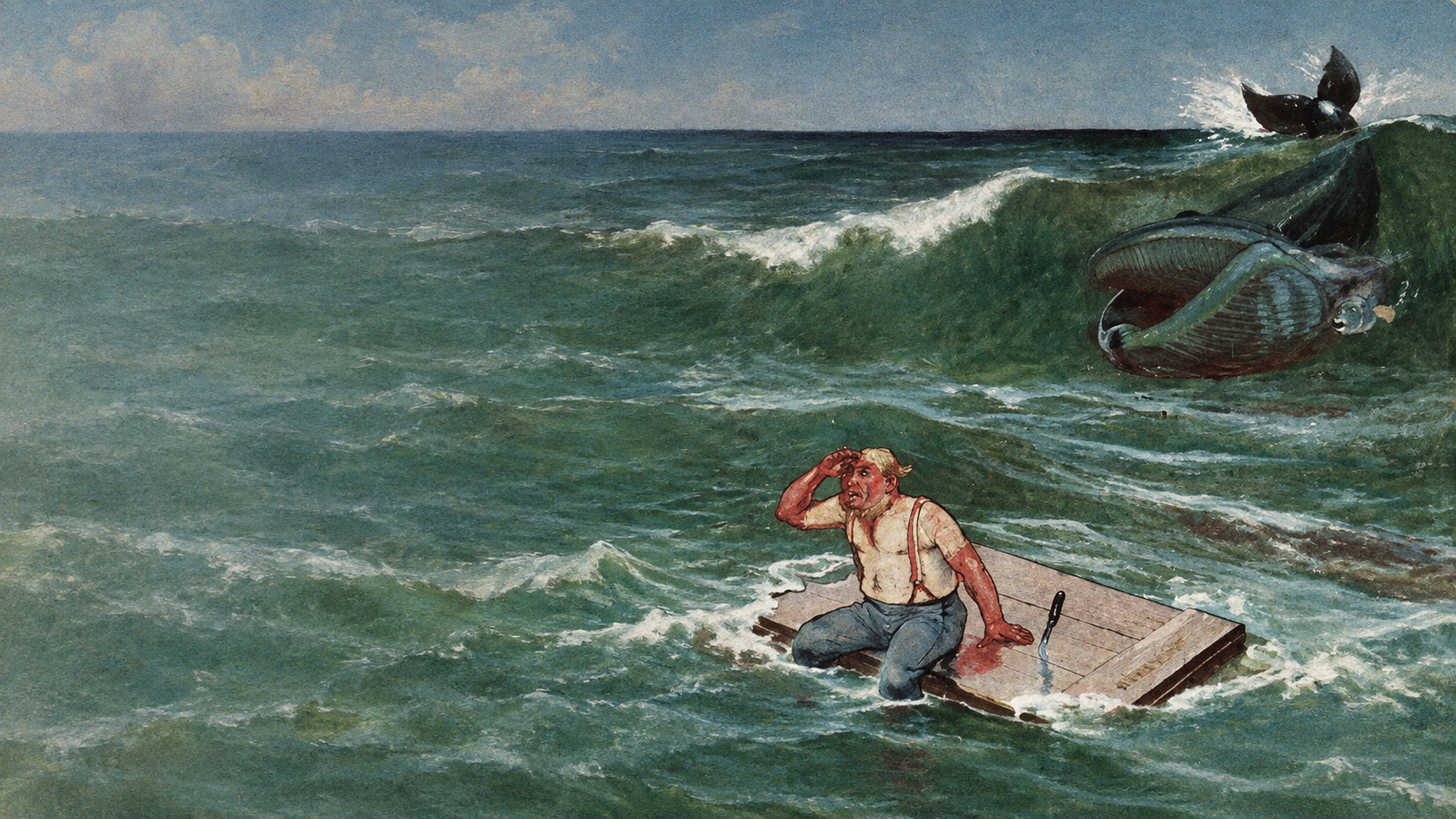
Just So Stories Chapter 1, How the Whale Got His Throat, is Rudyard Kipling’s tale of a Whale who ate every fish in the sea until only the small ’Stute Fish was left. To save himself, the ’Stute Fish sent the hungry Whale to find a shipwrecked Mariner, a man of infinite-resource-and-sagacity, sitting on a raft with his blue canvas breeches, his suspenders, and a jack-knife. The Whale swallowed him whole, raft and all, but the Mariner jumped and danced inside until the Whale got the hiccoughs and carried him home to the white cliffs of Albion. Before he walked out, the Mariner cut his raft into a grating, tied it with his suspenders, and wedged it in the Whale’s throat. That is why whales today can eat only very, very small fish.
Show what you know!
Say what you think each word means, then click to check your answers and learn some new words today.
What are the difficult or advanced vocabulary words in Just So Stories Chapter 1, How the Whale Got His Throat?Cetacean, Mariner, shingle, gratingHave a look
- Cetacean: a sea animal such as a whale, dolphin, or porpoise
- Mariner: a person who sails a ship; a sailor
- shingle: rounded stones on a seashore, bigger than gravel
- grating: a frame of crossed or parallel bars
The Books come Alive!
Read or listen to Chapter 1 of Just So Stories, the Kindred Thicket Classic Edition.
Read by Phil Chenevert for LibriVox (public domain), adjusted and trimmed by Kindred Thicket.
Memory becomes Action!
Use the names below to remember and spell tricky names. Choose one way to narrate.
What is the list of names, people, characters, and places that are important in Chapter 1 of Just So Stories?The Whale, The small 'Stute Fish, The shipwrecked Mariner, Latitude Fifty North, longitude Forty West, The Door-sills of the Equator, The white-cliffs-of-AlbionHave a look
- The Whale: The sea's great eater of fishes.
- The small 'Stute Fish: The last small fish in all the sea, the Whale's adviser.
- The shipwrecked Mariner: A man of infinite-resource-and-sagacity adrift alone on a raft.
- Latitude Fifty North, longitude Forty West: The magic position in mid-ocean where the Mariner sits on his raft.
- The Door-sills of the Equator: The mud below the Doors of the Equator, the 'Stute Fish's refuge.
- The white-cliffs-of-Albion: The Mariner's natal-shore, the home coast of his own country.
Chapter 1 Q & A
This is a Kindred Thicket Classic Edition, with Kipling’s words kept as he wrote them. Here are answers to questions families often ask about this story.
Why can’t whales swallow people, according to Kipling?
In Kipling’s story, the Mariner wedged a grating made from his raft into the Whale’s throat. The Whale could neither cough it up nor swallow it down, so from then on he could eat only very, very small fish.
Why does Kipling keep saying not to forget the suspenders?
The suspenders matter at the end of the story. The Mariner used them to tie his wooden grating together before he wedged it in the Whale’s throat.
What happened to the small ’Stute Fish?
The ’Stute Fish hid himself in the mud under the Door-sills of the Equator, because he was afraid the Whale might be angry with him.
What does “infinite-resource-and-sagacity” mean?
It means the Mariner was endlessly clever and full of good ideas. Sagacity means wisdom and good judgment.
Who is “Best Beloved”?
Best Beloved is the child listening to the story. Kipling speaks to the listener this way all through the Just So Stories, as if he were telling each tale aloud.