The Listening Grove · The Burgess Bird Book for Children
Chapter 2: The Old Orchard Bully
A Charlotte Mason nature-study lesson. Press play, with the lesson.
What is The Burgess Bird Book for Children Chapter 2, The Old Orchard Bully, about?Parent review
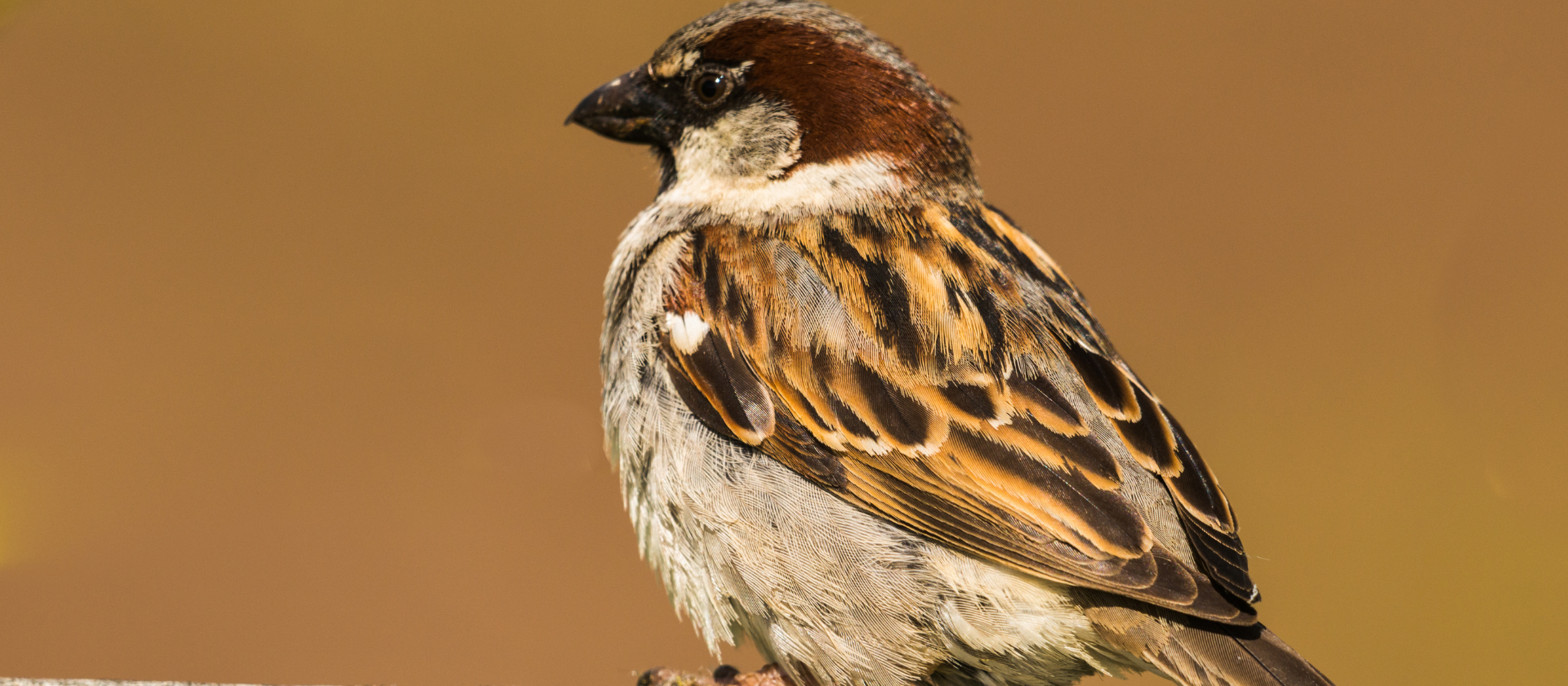
The Burgess Bird Book for Children Chapter 2, The Old Orchard Bully, introduces the bird nobody in the Old Orchard is glad to see: Bully the English Sparrow, known today as the House Sparrow. Peter Rabbit watches Bully drive smaller birds from the best nesting places and take them for himself and Mrs. Bully, and Jenny Wren has a great deal to say about his quarrelsome, boastful ways. Yet even sharp-tongued Jenny allows that Bully has spunk. Peter learns that this noisy newcomer is not a native bird at all, but one brought from across the sea, that has spread far and wide and crowded out gentler neighbors ever since.
Say what you remember!
Tell what you remember from the last chapter.
What happened in the previous chapter of The Burgess Bird Book for Children, Jenny Wren Arrives?Have a look
In Chapter 1, Jenny Wren Arrives, Peter Rabbit came to the Old Orchard at sunrise and found Jenny Wren and Mr. Wren newly back from the South. Sharp-tongued as ever, Jenny explained why birds migrate, there is no food here in winter, and why she is glad to wear plain brown feathers, which keep a small bird safe when danger comes.
Back to the previous lesson: Jenny Wren Arrives →Show what you know!
Use your printable Lesson Guide. Fill in the vocabulary you know, then click to check your work and learn some new words today.
What are the difficult or advanced vocabulary words in The Burgess Bird Book for Children Chapter 2, The Old Orchard Bully?savagely, quarrelsome, disgraceful, hesitate, boasting, effective, spunk, dignity, triumph, squabbleHave a look
- savagely: In a fierce, attacking, completely unrestrained way, like a wild animal after its prey.
- quarrelsome: Always ready to argue or pick a fight, even over small, unimportant things.
- disgraceful: So bad or embarrassing that it brings shame to anyone who sees it or takes part.
- hesitate: To pause or hold back before doing something, usually because you are unsure.
- boasting: Bragging; saying proud, exaggerated things about yourself to impress or intimidate.
- effective: Doing what it was meant to do, and actually producing the hoped-for result.
- spunk: Courage and spirit in the face of difficulty; the willingness to stand firm even when outnumbered.
- dignity: Calm, composed behavior that earns respect; carrying yourself in a self-respecting way.
- triumph: A feeling of great joy and pride that comes from winning or overcoming a challenge.
- squabble: A noisy, petty argument or fight, usually over something small.
The Books come Alive!
Read or listen to Chapter 2 of The Burgess Bird Book for Children, the Kindred Thicket Revised Edition.
Read by Kindred Thicket, from the Kindred Thicket Revised Edition. The plain accuracy notes that explain each correction come with the Complete Companion Guide.
Memory becomes Action!
Use the Response Resource* to remember and spell tricky names. Choose one way to narrate.
*Materials in the Lesson Guide.
What is the list of names, people, characters, birds, and places that are important in Chapter 2 of The Burgess Bird Book for Children?Peter Rabbit, Bully, Mrs. Bully, Jenny Wren, The Old OrchardHave a look
- Peter Rabbit: The curious observer, back in the Old Orchard to see how the birds are settling in.
- Bully: The House Sparrow (Passer domesticus), also called the English Sparrow. A stout, quarrelsome bird who seizes the best nesting places and drives smaller birds away.
- Mrs. Bully: Bully's mate, as bold and pushing as he is.
- Jenny Wren: The House Wren, who scolds Bully's bad manners but grants he has spunk.
- The Old Orchard: The gathering place whose peace Bully disturbs.
Chapter 2 Q & A
A few questions families ask about this chapter and its birds.
What bird is Bully in The Burgess Bird Book?
Bully is the House Sparrow, known in Burgess's day as the English Sparrow (Passer domesticus). He is a stout, streaky little bird with a black bib in the male, and he is famous for being noisy, bold, and quarrelsome, exactly as the chapter describes.
Is the House Sparrow native to North America?
No. The House Sparrow was brought to North America from Europe in the 1850s and has spread across the whole continent since. That is why Burgess casts him as an unwelcome newcomer among the native birds of the Old Orchard.
Why don't the other birds like the House Sparrow?
Because he competes fiercely for nesting holes and food, often driving out gentler native birds such as bluebirds and wrens and taking over their nest boxes. The chapter's picture of Bully seizing the best places is true to life.
Does the House Sparrow really behave like a bully?
House Sparrows are aggressive around nest sites and will evict other birds and even destroy their eggs. Burgess dramatizes this, but the underlying behavior is real, which is why he lets even Jenny Wren admit the bird has spunk while disapproving of his manners.